---- Supplies ----
Tire Pressure Monitoring Systems
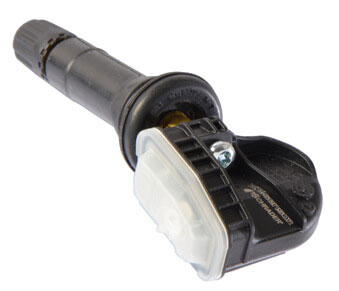
What is TPMS?
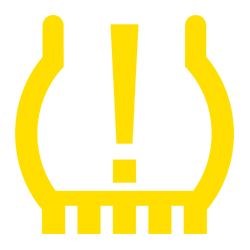
TPMS stands for Tire Pressure Monitoring System. TPMS is an electronic system that alerts a driver of either a low-pressure issue or a system malfunction. System malfunctions can be catastrophic pressure changes through sensors failing. Usually, the warning shows up on the dash of the vehicle as an icon, warning message, or both.
Readings are provided by pressure sensing transmitters mounted on the inside of each tire and sent to a central computer (ECU) for display on the dashboard. Direct TPMS enables simultaneous detection of underinflation in any or all of the four tires.
McGee Company offers a variety of TPMS products from OEM to aftermarket, with a diagnosis tool to fit every budget. Our key vendors are Schrader and Dill for sensors themselves, and the Bartec and Autel programming tools for diagnosis of issues and programming sensors.
Our selection of aftermarket sensors include: EZ Sensors, Redi Sensors, Autel 1sensor, 31inc Smart Sensors, and Bartec Rite Sensor. Call your service representative today to get the most up-to-date information about this dynamically changing environment so they can tailor a solution to your shop’s needs. Contact us at 800-525-8888. We consider ourselves your TPMS experts who can train, troubleshoot, and provide the advice you need to keep customers running.
TPMS sensors come in two main categories; direct and indirect. The indirect system calculates wheel speed based on the anti-lock brake system (ABS). Underinflated tires have a smaller radius and therefore a higher rotational speed. However, “this change in radius is small, making indirect measurement less reliable” (Safer Car, 2014). Direct TPMS systems are sensors in the valve stem and transmit data from each individual sensor to the car’s receiver. When there is low pressure, there is a warning light that appears on the car’s dash. Through constantly checking tire pressure, the tire temperature, and sensor identification/battery life, TPMS sensors increase fuel efficiency, improve handling, and reduce braking time. The U.S. government mandated all cars manufactured post-2008 be equipped with TPMS sensors and started a partial percentage-based integration in 2006.
Commercial TPMS
TPMS in commercial fleets is more important and beneficial than you might think. In many cases, you'll notice the positives from commerical TPMS reflected in daily performance. Some benefits of commercial TPMS include:
- Increased Safety: Keeping tires properly inflated decreases the risk of roadside incidents and blowouts, which helps protect both people and property.
- Fuel Efficiency: Even minor deviations in pressure can have an impact on gas mileage, which can make a substantial impact, especially over long distances. TPMS helps you maintain optimal levels.
- Maintenance Savings: By decreasing unexpected failures, you'll minimize the need for emergency repairs that cause unexpected downtime.
- Fleet Productivity: By monitoring fleets in real time, issues can be addressed proactively. This allows you to keep trucks on the road with improved scheduling.
- Environmental Impact: Rolling resistance increases when tires are underinflated, which results in higher emissions of CO₂. For more efficient operation, it's important to maintain correct tire pressure.
- Tire Lifespan: Having consistent inflation results in more even wear, which extends casing lifespan and delays the necessity of replacement.
- Tire Replacement Savings: Tire repair can be substantially less expensive when compared to replacement. With TPMS, you can catch small problems before they become major issues.
Types of Commercial TPMS Sensors
There are a few different primary types of commercial TPMS sensors to choose from, and each has its own benefits depending on your preference.
- Fabric Banded Sensors: These mount inside the wheel in the drop center. They're secured using a Velcro-style strap. These sensors were developed to improve upon early metal strap designs that could cause wheel damage. This option provides a practical solution, though the hold strength is dependent on how tightly the band is installed. In some cases, moisture exposure may reduce the efficacy of the Velcro over time.
- Metal Strap Sensors: These sensors use a mechanical clamp and provide stronger, more consistent clamping force than a fabric band, keeping them secure under demanding conditions.
- Valve Mounted Sensors: These sensors attach directly to the valve stem within the wheel. They're secured to the sensor body using a bolt, and the valve stem connects into the sensor and is fastened by a screw. This is a similar concept to what is used in passenger/light truck TPMS setups. This option is often quicker to mount and offers a clean installation, but typically means you'll need to manage multiple valve stem configurations.
Choosing Your Ideal Setup
The right setup for you comes down to how your fleet or shop operates. Consider the following:
- Sensor Mounting Style: If you want a one-size-fits-all approach, you'll prefer a band and strap system. Valve-mounted sensors make installation simpler, but it could require you to keep additional components around.
- Brand and Compatibility: Different brands offer different solutions. Autel has band or strap mounted solutions, while Hamaton offers valve-muonted and banded options, as well as strong OE replacement coverage. Schrader has OE-style TPMS solutions as well as direct-fit replacement sensors, which is a great choice for fleets operating factory-installed Schrader-compatible systems. Often, Schrader systems are considered plug-and-play. Just 4 sensors cover OE applications for Volvo, Scania, Peterbilt, Kenworth, and Volvo/Prevost buses. They don't require any programming for these applications, offering a time-saving solution. Autel and Hamation both offer copy-and-create functionality, which gives technicians the opportunity to replicate existing sensor data and streamline setup.
- Tool Familiarity: Hamation uses ATEQ-based platforms, while those who already use Autel tool will find more familiarity using an Autel product.
Getting Your Ideal TPMS
Even if it's not a requirement, TPMS is often worth the investment. TPMS frequently pays for itself through improved fuel efficiency, increased tire lifespan, decreased roadside service calls, and by helping facilitate proactive maintenance.
Ready to get started with your new TPMS setup? Still have questions? McGee Company is happy to help you select the right option for your needs.